
Restaurant bar automation and profit control across the bar menu
Restaurant bar automation should cover several tasks at once: fast service, accurate accounting, food cost control and a link to CRM.

Implementation and integrations
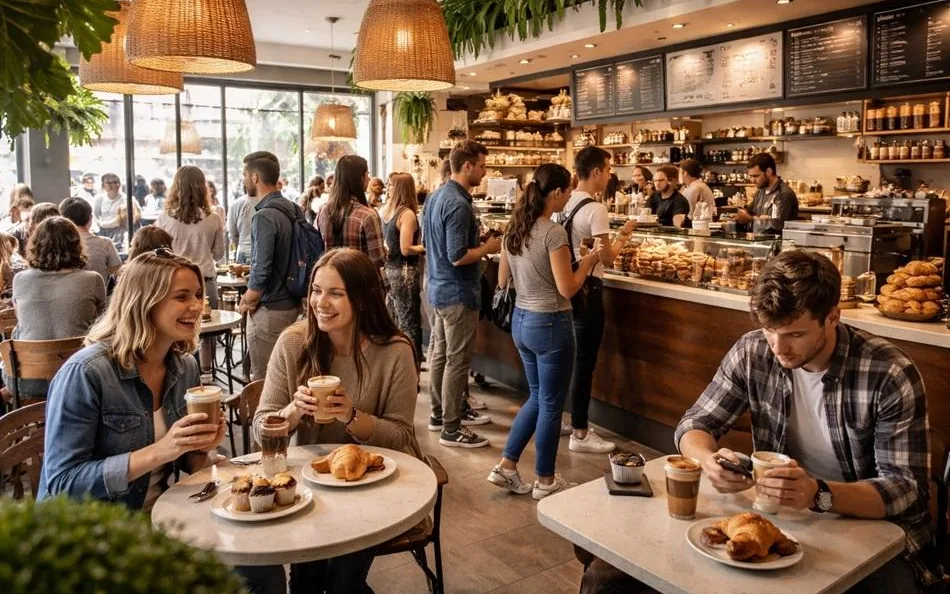
Automating a coffee shop is different from automating a classic restaurant. In a coffee shop, speed matters most. The average check is lower, guest traffic is higher, and decisions are made fast. At the same time, control of costs, write-offs and guest retention is just as important.
If the restaurant management software is not set up for high traffic, staff start looking for workarounds. This leads to mistakes in the records and lost data. So coffee shop automation must be simple for the staff and accurate for management.
In a coffee shop, seconds matter. A line at peak hours has a direct effect on revenue. Automation for a coffee shop must give you:
fast order entry without extra screens
easy buttons for popular items
as few steps as possible to pay
orders sent to the bar automatically
the line shown in real time
If order automation is set up right, an order doesn't get lost or duplicated. The barista sees it at once, and the general manager can analyze how fast guests are served.
The menu is fairly simple, but a coffee shop is sensitive to costs. Milk, syrups, coffee, cups and lids all shape the margin.
Management automation for a coffee shop must include:
recipe cards for drinks with exact amounts
records of write-offs by reason
regular stock counts of key items
tracking when actual use differs from the set amounts
food cost analysis by category
With high sales, even a small difference in how much milk or syrup goes into a drink makes a clear difference in profit.
A coffee shop is a format with a lot of room for guest retention. Many guests come every day or several times a week. So a guest retention system becomes a key part of the business.
Cafe and restaurant automation should collect data on how often guests come, the average check and their favorite items. CRM analytics lets you split guests into segments:
daily guests
guests who come 2-3 times a week
occasional visitors
lapsed guests
For each group, you can build retention programs: points for a set number of visits, personalized offers, promotions on favorite drinks.
For coffee shop automation to bring profit, you need to analyze the data regularly. The basic set of metrics:
number of checks by hour and by shift
average check
share of repeat visits
guest retention rate
guest retention by segment
differences between actual and planned costs
These retention metrics and operating metrics help you see the full picture.
Even in a coffee shop, order automation can include online channels. Pickup orders through a website or app take load off the POS system at peak hours. A QR menu for restaurants and cafes helps guests choose faster and spend less time at the counter.
It is important that online orders are connected to your main restaurant management system. Then stock, write-offs and points are counted correctly.
For a coffee shop, restaurant marketing is built around how often guests come. Your retention plan should aim to make visits more regular.
A CRM analyst can track:
how visit frequency changes after you launch a points program
whether the average check of regular guests grows
how the cost of keeping a guest changes
which items bring guests back
Cafe and restaurant automation software lets you test ideas fast and adjust the terms.
If the coffee shop grows into a chain, the system must support central management. One CRM, a shared menu database, standard recipe cards and combined reports make control easier.
As you grow, it is important to keep a balance between fast service and accurate records. This balance is what turns coffee shop automation into a tool for growth, not just a POS system.
Restaurant bar automation should cover several tasks at once: fast service, accurate accounting, food cost control and a link to CRM.
Restaurant management software is not just a set of features. It is the way you run the business. Your venue's format sets the priorities, but the basic rules are the same for all
Restaurant management software is a system that brings together accounting, marketing and analytics. It lets you see your real profit and control food cost.