
Restaurant bar automation and profit control across the bar menu
Restaurant bar automation should cover several tasks at once: fast service, accurate accounting, food cost control and a link to CRM.

Implementation and integrations
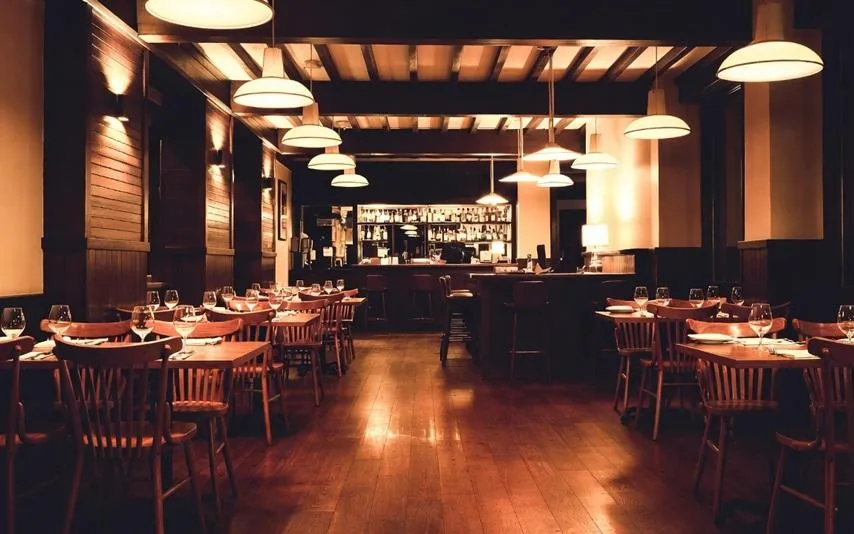
Restaurant management software can't be the same for everyone. The venue's format sets the priorities: in one place, speed of service matters most; in another, complex kitchen accounting; in a third, active work with a CRM. Restaurant software should fit the business model, not the other way around. When people choose a solution without thinking about the format, some features are never used, and some tasks are still done by hand. As a result, the restaurant uses its software only in part.
A classic restaurant with a varied menu needs detailed recipe cards, food cost control and tracking of write-offs. Here, restaurant software is built around the kitchen.
The software should support:
detailed recipe cards with nested ingredients
automatic write-offs based on standard portions
food cost control by category
inventory counts for each storeroom
analytics on the margin of each dish
If the kitchen is complex, it is hard to manage profit without exact accounting.
In a quick-service cafe, software is all about speed. The screens should be simple and not crowded. Every extra step slows down the flow of guests.
For this format, these things are critical:
fast entry of popular items
easy modifiers with no complex setup
integration with online orders
a points program that works correctly
Order software in a cafe should be as easy as possible for the staff.
Bar software needs special attention to pour sizes and write-offs. Here, it is important to control margins and what the staff do.
Bar software should let you:
track alcohol by exact volume
control gaps found in inventory counts
analyze sales by margin
limit manual changes
If the bar works without strict accounting, this affects overall profit.
Coffee shop software is built around guest traffic. The average check is lower, but guests visit more often. Here, a guest retention system is especially important.
The CRM should record:
visit frequency
average check
favorite items
guest retention rate
Retention programs in coffee shops are often built around collecting points and rewards for regular visits.
Whatever the format, restaurant management software should cover the basics:
clear sales tracking
food cost control
one shared item database
integration with a CRM
CRM analytics
reports on key metrics
Without these parts, your restaurant software is not complete.
Marketing in the restaurant business is impossible without data. Guest retention needs accurate guest segments. Restaurant and cafe software should support:
calculating the guest retention rate
analyzing repeat visits
estimating the cost of keeping a guest
launching personalized offers
The retention plan depends on the format. In a restaurant, it can be special events or tastings. In a coffee shop, points for a set number of visits.
Before implementation, it helps to answer a few questions:
how many locations you plan to have in the future
whether you have complex kitchen accounting
whether you plan to work actively with a CRM
what share of sales comes from online
whether you need central control
Restaurant and cafe software should take future growth into account. If the business plans to grow, it is important to choose a platform that can grow with it.
Restaurant bar automation should cover several tasks at once: fast service, accurate accounting, food cost control and a link to CRM.
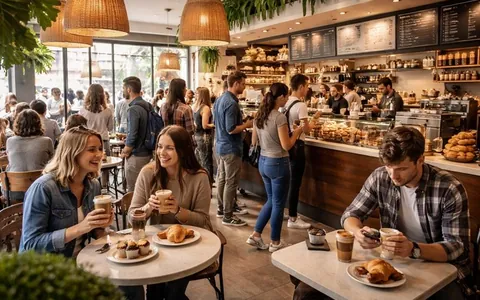
Automating a coffee shop is different from automating a classic restaurant. In a coffee shop, speed matters most
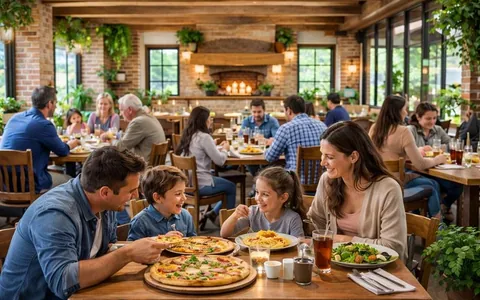
Restaurant management software is a system that brings together accounting, marketing and analytics. It lets you see your real profit and control food cost.