Calculating the ROI of a loyalty program
The ROI of a loyalty program: how to understand it, calculate it and then prove it in practice.

Complex marketing, explained simply
Many restaurateurs start using a loyalty system and spend money on it, but over time they lose interest in this tool, which is actually very useful and powerful.
In this article, we will tell you how to analyze the results the right way and, most important, what to do to grow your restaurant's profit with a loyalty system.
But first, an important note. It has long been known that keeping a guest is much cheaper than getting a new one. And if your service is amazing and you are sure guests will keep coming back to you just for that... you still need to analyze how they behave.
Keeping a guest is much cheaper than getting a new one!
A loyalty system will help you with this. How big the profit will be depends on how you analyze the system, how you manage it and what conclusions you draw. The system has more than enough data for this.
There are different ways to grow restaurant profit with a loyalty system. Of course, our loyalty program has many automated tools to grow revenue. But if you know which of these tools works best for your business, you will be even happier with the results.
So, let's start: which numbers should you look at in your analysis?
To see how well your loyalty system works, you have a few especially important metrics:
Sales funnel. A very important metric that is actually made of several metrics. We will talk about each of them in detail.
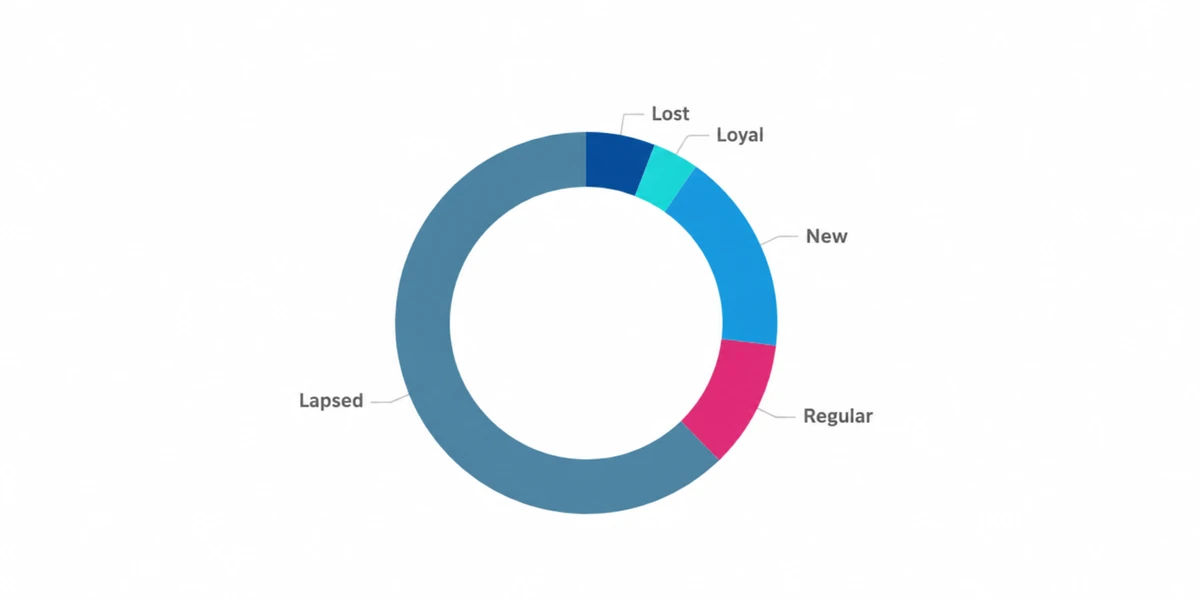
Working with segments. The loyalty program splits your whole audience by certain traits and lets you work with each segment using the strategy you choose
Average check. Everyone knows this metric well. But in a loyalty system, the point is that the average check should grow, and grow in a predictable way.
Time between visits. A metric to watch over time
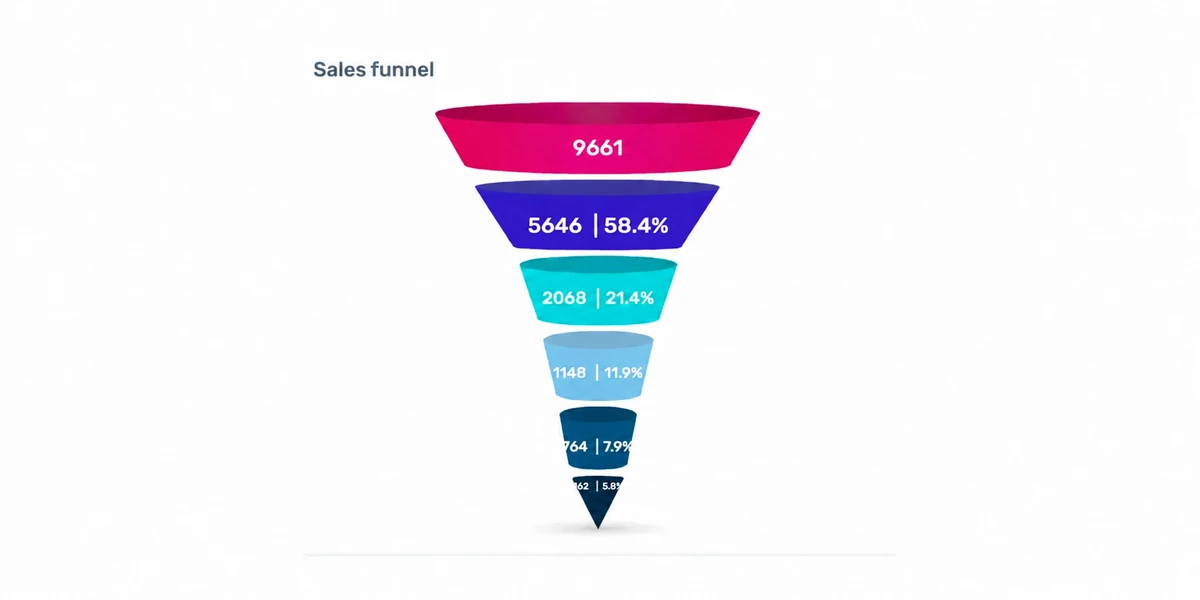
Each color marks the next visit. It makes sense that the number of guests who came to you more than 5 times is smaller than the number of guests who made one or two visits.
For each restaurant, this funnel will have its own shape and its own numbers.
What can you analyze?
Look at the number of guests at each stage of the funnel. Where do you lose the most guests?
Can you link this to the way your restaurant works?
What to do after the analysis?
Write down the data you have today.
Think of a strategy to bring more guests to the exact stage where you have the biggest drop.
Build a strategy, on your own or with your team, to get more guests at the narrow stage. For example, if you have many guests who came to you twice but did not come back a third time, give this segment gifts or points to bring them in for a third purchase
What to do after the promotion?
Look at the numbers. Did the number of guests at the third stage grow?
What are the results in numbers? This is easy to do with filters.
If you reached your goals, look at what you did to get there and how you can repeat the effect on a bigger scale.
If you did not, don't get upset right away. Look at the result you got. Maybe you set goals that were too big for a start, or the idea did not work. Try a new one.
Be sure to count how much extra money you made, even if you did not reach your goal. Remember: every guest above the starting % came fully thanks to your work with the loyalty system.
And keep tracking and analyzing the situation regularly, and keep coming up with new ways to work with guests and turn them into your most loyal guests.
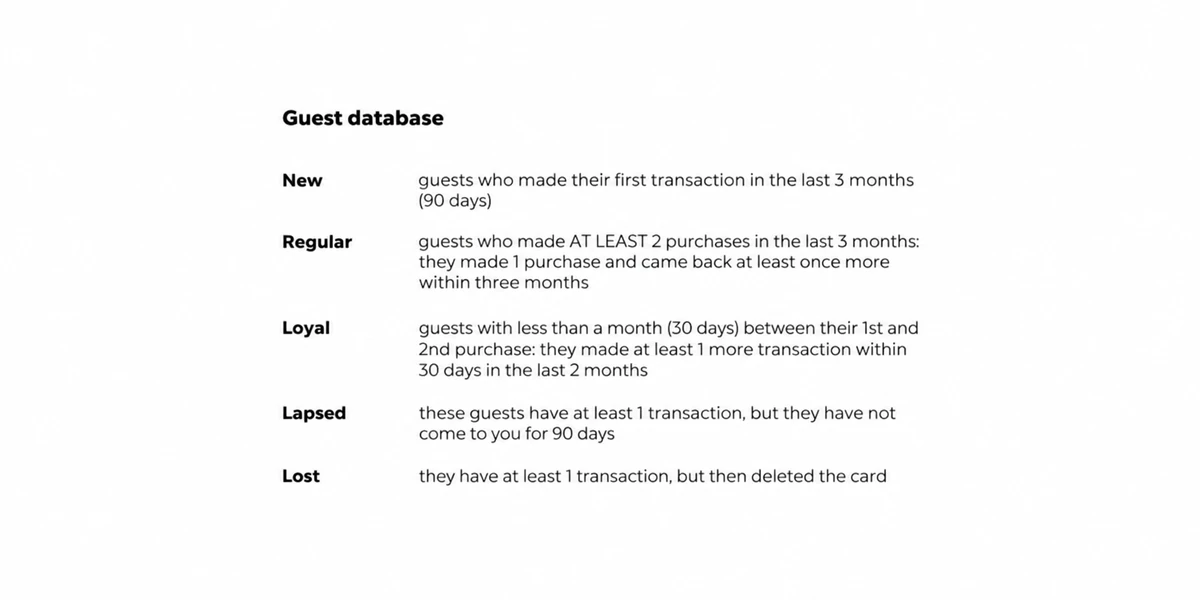
How to work with different segments?
To start, we suggest you always do the same thing: collect data for a certain period, so you have something to compare with later
See which of your segments is the biggest. Statistics say it will be the "lapsed" segment
Think about what events you can hold or what extra discounts you can give, so that as many people as possible move from the "lapsed" segment to the "loyal" segment
You can work with each segment the same way. For example, hold private events only for your most loyal guests and tell them about it through the loyalty system.
And do not forget to count at the end how effective your promotion was.
Most often, if a restaurant does NOT work actively with its guest database, the group of lapsed guests will be the biggest.
Of course, you should work on the average check regularly, with or without a loyalty program.
But in a loyalty program, the average check is almost always higher than the average for the restaurant as a whole.
There is a simple reason for this: if a guest is already yours and comes to you regularly, they trust your staff and your kitchen more. So they order more on their own, but the best practice here is to have your servers upsell.
The work follows the same rule: first write down the data at the start of your active work with the loyalty program, and then again at the end.
And if the way you run your business also lets you set personal bonuses for staff and track how well each server did, we promise the result will make you happy.
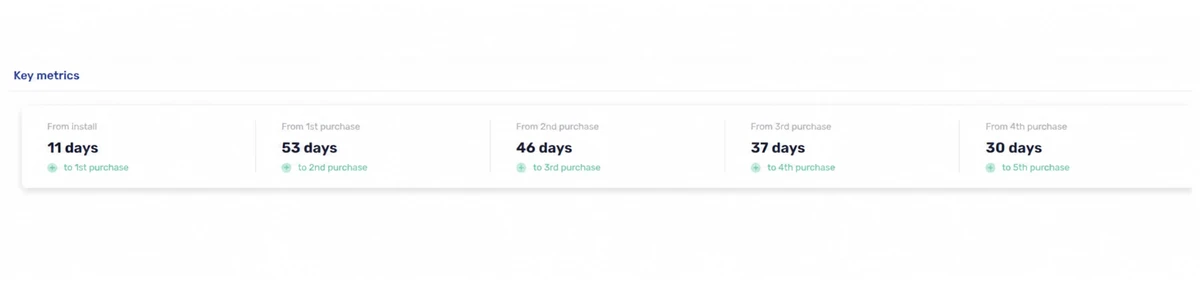
And as you understand, if you cut this time, make guests want to come more often, offer expiring points and hold extra events, this can give you a few % of extra sales per month. Sales that you did not spend a penny to get.
Of course, we do not tell you to use all the tools at once and get buried in work and settings. Start where you see the biggest potential. Test it, and then, when you get your first results and see that it really works, move on to the other metrics with confidence. And if you do not have time for settings and analysis, the marketers at Loona.ai can help you with this.
As you can see, even a quick look at a loyalty program shows you several areas where you can start working today to grow your restaurant's sales and profit!
We wish you success and growing sales!
The ROI of a loyalty program: how to understand it, calculate it and then prove it in practice.

Growing restaurant and venue revenue with analytics, a loyalty system and personalized offers that keep guests and bring them back.
Ways to calculate LTV, example formulas and how to use this number to judge results, see how often customers come back and grow your business.