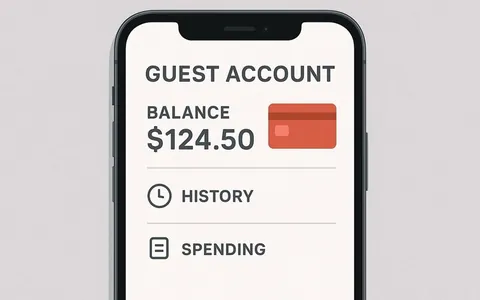
The guest portal as the control center for a Wallet card
A Wallet loyalty card is no longer just a way to identify a guest. More and more often, it is the way into the guest's personal space.

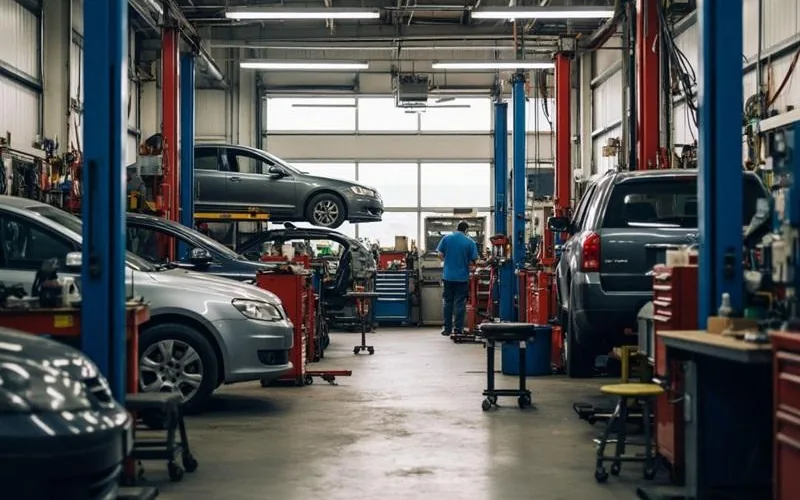
The car service market has strong competition, and repeat visits are hard to predict. A customer can use one car service for years and then leave because of the price, the location or a lack of reminders. In this situation, a loyalty program for a car service is not a marketing extra. It is a system for keeping customers and bringing them back. It brings points, communication and analytics together into one way of working with customers.
What makes loyalty in a car service different
Unlike retail or food service, visits to a car service are not regular. They often depend on the maintenance schedule or on unplanned repairs. This needs a special approach to motivation. A car service points program should take into account the long gaps between visits and the high cost of services.
Key features of this business
a limited number of visits per year
each customer is worth a lot
services tied to mileage and dates
a large share of lapsed customers
That's why classic discounts work worse than points-based and service-based mechanics.
Points for maintenance as the core of the offer
The most logical part of loyalty is points tied to maintenance. The customer sees them not as some abstract reward but as a real benefit tied to services they need anyway.
Points formats that work
points for every visit
paying for part of the maintenance with points
extra services for collected points
priority service for program members
This kind of car service points program encourages the customer to come back right when they are deciding on their next visit.
Reminders as a way to stay in touch with the customer
Even a loyal customer can forget about service dates or put off a visit. Built-in reminders connect the points to what people actually do. They let a loyalty program for car service centers act first instead of only reacting.
The most popular types of reminders
upcoming scheduled maintenance
points about to expire
seasonal offers and checks
personal recommendations based on visit history
Customers see this kind of communication as a service, not as advertising, and it makes a return more likely.
Loyalty tiers and customer segments
For car services with a large customer base, a tier model makes sense. It lets you pick out your most valuable customers and offer them extra perks. In this case, the car service loyalty program becomes a tool for splitting customers into groups.
Benefits of the tier model
motivation to come more often and spend more per visit
personal service terms
the status of a regular customer
a stronger emotional bond with the service
Tiers can be tied to the amount spent, the number of visits or how long the customer has been with you.
Bringing back lapsed customers with loyalty
Over time, a large part of a car service's customer base becomes inactive. The reasons can differ, but a loyalty program lets you bring these customers back without aggressive discounts. Special terms for inactive members feel like personal attention.
Win-back mechanics include
reactivating points collected earlier
higher points earning for a limited time
personal offers on maintenance
reminders linked to the service history
This kind of car service points program works gently and well, without lowering the value of the main services.
Keeping the program financially healthy
Any loyalty program for car service centers should be under financial control. Points, tiers and reminders should be planned with service margins and workshop load in mind. Analytics lets you track how the program affects repeat visits, the average check and the customer lifecycle.
Main metrics to track
the share of revenue from loyal customers
repeat visit frequency
points used and points expired
return of customers who were inactive
A loyalty program as a long-term strategy
A good loyalty program for a car service builds lasting relationships with customers and makes you less dependent on price competition. Points for maintenance, timely reminders, tiers and win-back mechanics for lapsed customers work only when they are used together. This approach lets a car service build a predictable flow of visits and strengthen trust, turning one-time customers into regular ones.
A Wallet loyalty card is no longer just a way to identify a guest. More and more often, it is the way into the guest's personal space.

For cafes, salons and retail, the best strategy often means mixing formats. Wallet cards and online club cards let you launch a program fast and cheaply and collect your first data

The Loona.ai loyalty program builds a steady retention system where CRM, automation and digital cards work as one.