Wallet card: what it is and how it works in a loyalty program
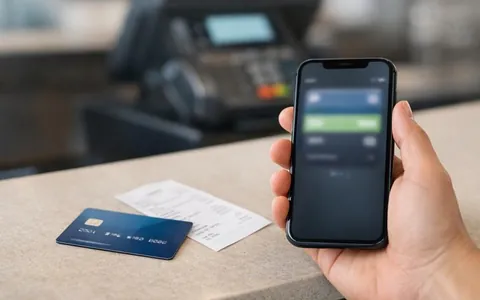
A Wallet card is a digital card that a customer adds to Apple Wallet or Google Wallet and uses as a points card or a discount card.


As a retail chain grows, working with customers always gets more complex. Shoppers expect the same terms in all of the brand's stores, no matter the store format or the region. So a single loyalty card stops being a nice extra and becomes the base of a retail loyalty program. It gives customers one consistent experience and keeps the business numbers under control.
Why separate points programs don't work in a chain
Local programs tied to single stores make the brand feel split into pieces. The customer faces different rules for earning points, different limits and different balances. This lowers trust and makes people less willing to take part. Loyalty in retail needs one set of rules that is clear and works the same at every level of the chain.
The main problems of separate points programs
you can't use saved points at other locations
it's hard to scale promotions
there is no shared analytics on customers
more mistakes at checkout
A single card removes these barriers. It makes the chain feel like one brand, not a set of separate stores.
Shared points as a retention tool
A shared points system lets customers earn and spend points at any location in the chain. This makes the program more valuable and gets people to visit different stores of the brand. In this format, a retail loyalty program starts to increase purchase frequency, not just give a one-time push.
Benefits of shared points
higher customer lifetime value
traffic moves between locations
better brand recognition
customers care less about local price differences
For the shopper, the card becomes a universal tool. For the business, it becomes a way to manage how the audience behaves.
How a single card works on the tech side
A shared program is built on keeping all the data in one central place. Every card transaction is recorded in one system, no matter where the purchase happens. This keeps the balance up to date, handles point redemptions correctly and avoids double points.
Key principles of the setup
one customer profile for the whole chain
data sync between locations
central rules for earning and redeeming
easy to scale when you open new stores
This is the model that makes loyalty in retail manageable and predictable.
The role of automation in chain programs
Without automation, a single card quickly becomes a source of mistakes and conflicts. Modern chains use special software that takes care of calculations, limit control and analytics. Here, the phrase "we have a platform to automate loyalty programs in retail chains" shows the general market trend: the tech base becomes a must-have part of loyalty that can grow with the business.
Automation lets you
set the same rules for all locations
launch chain-wide promotions quickly
control what you spend on points
analyze customer behavior across the chain
Shared rules and local flexibility
Even with one shared card, chains often need to allow for the special needs of single locations. A successful retail loyalty program combines central rules with limited local changes. This keeps the brand whole and still takes regional differences into account.
Examples of acceptable flexibility
local promotions with chain-wide points
regional earning rates
special offers for certain store formats
temporary program mechanics for new stores
This approach doesn't break the shared system and helps it keep working well.
Analytics as the base for managing loyalty
A single card gives the chain access to full customer data. Analytics shows how shoppers move between locations, which formats they prefer and how they respond to points programs. Without analytics, loyalty in retail loses its strategic value.
Key metrics to measure
the share of customers who use the card at several locations
purchase frequency across the chain
the number of points earned and redeemed
the program's effect on the average check
A single card as a competitive advantage
When competition is high, a single loyalty card becomes a reason to choose a brand. It makes things simpler, builds trust and creates the habit of coming back. A retail loyalty program built on shared points and a central platform becomes a long-term asset for the chain. It brings steady growth and keeps the customer base under control.
A Wallet card is a digital card that a customer adds to Apple Wallet or Google Wallet and uses as a points card or a discount card.

A loyalty program builder lets you put all these parts into one system and manage them without extra hassle. This makes loyalty measurable, clear and easy to manage
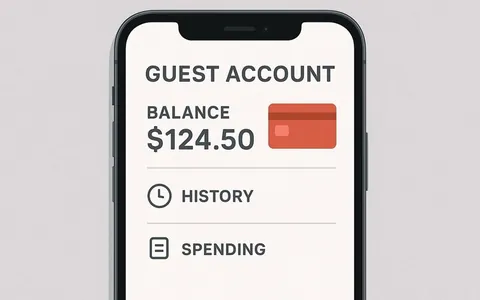
A Wallet loyalty card is no longer just a way to identify a guest. More and more often, it is the way into the guest's personal space.