Do you have our loyalty card?
The magic question that will launch your loyalty program into space


When staff truly care about their work, it always shows in the results of the whole team and in the success of the business. There are many ways to motivate staff, and the right one depends on your goals and your team. Let's look at how to build a motivation system the right way and which mistakes to avoid.
One serious problem in the restaurant business is that teams keep changing. In some venues, up to 70% of staff are replaced within 12 months. General Managers often try to fix this with harsh methods: fines, canceled days off, stricter rules. But this only makes even more staff leave and makes people more unhappy. As a result, staff motivation drops even more.
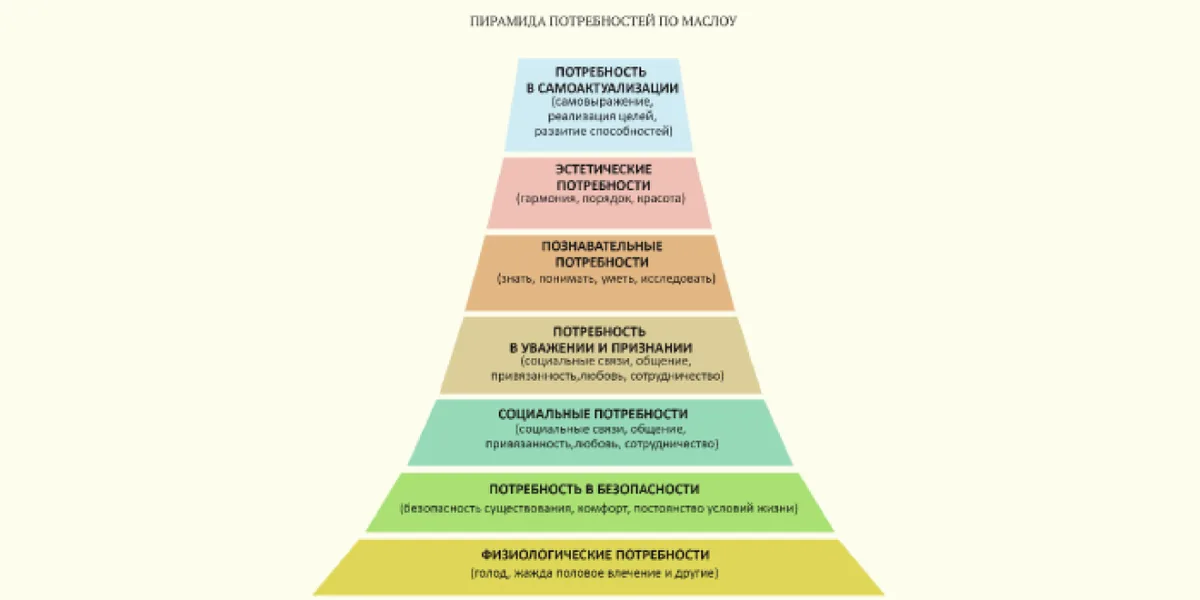
Motivation is based on Maslow's hierarchy of needs. The idea is this: people act because of needs that are not yet met. As soon as one need is met, the next one takes its place.

The first level is basic physical needs: food, housing, rest, safety. If a worker can't pay the rent, eat properly and get enough sleep, they won't try to grow at work or reach their potential. The next level is feeling secure, both physically and emotionally. This means feeling sure about the future and not being afraid of mistakes and stress. Without a sense of security, you can't expect good service or high output from a staff member. At the top of the pyramid is the wish to reach your potential, grow in your career and be recognized. It's important to understand that money is not motivation in itself. It's a way to meet needs. Staff need a steady income to take care of their health, rest, clothes and basic comfort. Only after that can you talk about building a strong team.
Three main principles of a motivation system
Clarity:
Every team member should understand how the motivation scheme works. The answers to the key questions should be obvious:
This creates a clear and predictable system: good work gets a reward, mistakes have consequences.

Objectivity
You can only manage well what you can measure. This classic management rule also works for motivation: staff performance should be judged by specific, clear metrics.

Showing results visually
People take in information better when they can see it. So put the results of staff contests and metrics where everyone can see them: on an achievement board, an interactive chart, in reports. This makes the process clear and engaging.
Reward tools
The days of motivating with slogans and advice like “a good waiter will earn his own tips” are long gone. Today, reward systems and turning work into a game work much better. For example, a loyalty program that involves staff can be a great solution. The idea is simple: each worker gets a personal QR code that guests use to download a loyalty card. Each card activation counts as that staff member's personal achievement. A clear goal (get more downloads) encourages people to take initiative. And elements of competition and bonus rewards make staff more involved and happier.

Well-built motivation is more than bonuses and fines. It's a system where everyone understands their goals and how to succeed, and gets the recognition they deserve. This kind of workplace builds a strong, stable team and brings steady results to the business.
The magic question that will launch your loyalty program into space

What can slow down launching the system in your business

Your loyalty cards are part of your brand. Here are tips on how to make your venue's digital loyalty card look memorable.