
Loyalty points cards for restaurants
Giving guests loyalty points cards solves one of the main marketing tasks in the restaurant business: more repeat visits.

Modern loyalty programs for the restaurant business
The magic potion of success for any food business is to turn a guest into a "regular". This is not easy, but it is possible if you focus on good food, great service, a stylish interior and the overall feel of the place. Besides this, you need to do one more thing that is just as important: change the guest's habits. There is a simple truth in marketing: it pays much more to get your existing guests to spend more money. A restaurant loyalty program helps with this better than anything else.

Guests are always looking for new places to eat and new food experiences. The main goal of a restaurateur is a happy guest who will recommend the restaurant to friends and add it to their list of favorite places. That is why loyalty programs are in high demand today. A loyalty program is a whole set of actions built on using different marketing tools in your daily work. A well-planned approach helps a food business sell its service again and again.
A loyal guest is the best advertising for a restaurant. So the key goal of any loyalty program is to build long relationships that are good for both the guests and the venue. You can make a guest more loyal by giving them great dishes, good service and good offers. When you build the program, do not rely on just one marketing tool. Plan a whole set of methods. Only the right mix of them (promotions and gifts, points and discounts) will keep guests from losing interest.

There are several ways to attract guests in the restaurant business. Restaurant loyalty programs come in three types:
• Discounts for different occasions. A spend-based discount system can give great results: guests will keep coming back to the venue to get a bigger discount.
• Points for regular guests. It feels good to earn points, and to spend them too. As a rule, guests spend them on their next visit to the restaurant, and the points stay on the card for a limited time.
• Free treats from the chef. A treat can be anything, from a cup of fragrant coffee to a fine bottle of wine. You can treat guests both at the entrance and inside the restaurant.
Any restaurant loyalty system should take guests' tastes into account. So you should have as much information about your guests as possible and sort them so you can meet their personal needs. A carefully planned program will make your food business a success.
When you build a loyalty program, think about the target audience it is for. You can define this group by these factors:
• transaction data (the average check, when the guest last visited, and so on);
• product categories (what the guest likes most from everything you offer);
• location and demographic data (where they live, their age, and so on).
Tempting discounts on Saturday brunches and nice free treats from the venue turn a restaurant visit into a good tradition. This way, the loyalty system becomes a strong way to influence guests and turns them into loyal "regulars".

Today, nobody goes to a food place without a phone: guests check in on Swarm, share photos of their favorite dishes on Instagram*, invite friends for a cup of espresso on WhatsApp and rate dishes on food websites. Also remember that the phone has become a full channel to reach your guests through a loyalty program. It helps you attract new guests, put marketing ideas into practice and use a very effective communication channel.
With a special app, a guest can:
• get a card that is stored on their smartphone;
• see how many points they have;
• stay up to date on promotions and the venue's opening hours.
The base of a successful loyalty program is laid at the planning stage. There are three ways to measure how well it works:
1. Find out how much each guest spent before and after the loyalty system was launched (with gift points and a bigger discount). Then see how much the guest's activity at the food venue has changed.
2. Compare churn among guests who used the program and those who did not. This will help you understand if the program motivates guests to keep coming back to the restaurant.
3. Compare the income from guests who used the program and those who did not. This will clearly show how much the loyalty system is worth to guests.
The signs that a loyalty program works are: the repeat rate, a stable average check and a steady growth in the number of guests who come on the advice of friends and people they know.
Today guests can choose from restaurants of every format and for every taste. Very strong competition among food businesses pushes restaurateurs to improve not only their service and dishes, but also their loyalty systems. New marketing products make a loyalty system much more effective: random visitors become regular guests of the venue. Start using new ways to work with your restaurant's target audience now, and it will help you grow your business's profit.
Giving guests loyalty points cards solves one of the main marketing tasks in the restaurant business: more repeat visits.
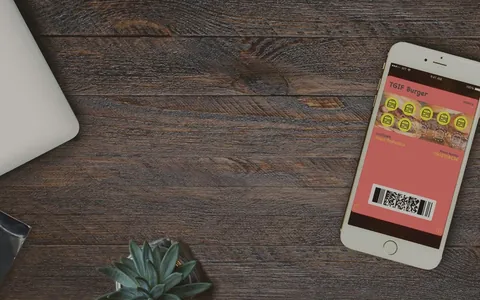
Loona.ai digital loyalty cards are the best alternative to discount cards and apps
The chance to get a discount is the best way to make a casual visitor loyal to a restaurant.