
Restaurant guest retention programs based on CRM and automation
Guest retention programs work when you analyze and adjust them regularly. Restaurant management software gives the data, the CRM builds segments, and a CRM analyst checks the results.

Today, restaurant management software is directly linked to marketing. If your restaurant management software only records sales and doesn't collect guest data, the business loses the chance to manage repeat visits. That's why a guest acquisition and retention strategy should be built on CRM and analytics, not on one-time promotions.
Acquisition brings a flow of new guests. Guest retention turns this flow into steady revenue. Without the second part, ad spending keeps growing and profit doesn't last.
A guest retention strategy starts with record-keeping. Restaurant management software should record the guest's phone number or other ID, order history, average check and visit frequency.
If the data is collected correctly, you can calculate basic guest retention metrics:
guest retention rate for the period
guest retention level by segment
how often guests make repeat visits
average check of regular guests
share of revenue from the guest database
These numbers show how many guests come back and how often.
One common mistake is giving everyone the same offers. A guest retention system should take different groups of guests into account. For example, new, active, lapsed, VIP. CRM analytics helps pick out segments automatically.
For each segment, you can set its own way of communicating:
a welcome offer for new guests
points for a repeat visit within 7-14 days
a reminder for guests with no visits for 30-60 days
personal suggestions based on favorite menu items
an offer to raise the average check
This way, restaurant and cafe management software starts working as a tool for personalization.
Marketing in the restaurant business often focuses on acquisition: ads, bloggers, delivery platforms. But the cost of retaining a guest is usually lower than the cost of acquiring a new one. So a guest acquisition and retention strategy should be balanced.
Restaurant management software lets you compare:
how much acquisition costs through different channels
how many guests come back
how many visits a guest makes on average
how much they spend over the period
When you have this data, you can spread your budget more wisely.
Guest retention programs should be built into your restaurant management software. If points are counted by hand or in a separate service without an integration, mistakes happen and guests stop trusting the program.
A working model includes:
points that build up, or cashback
loyalty tiers with different perks
personalized offers based on purchase history
automatic reminders about unused points
analytics on how well the program works
Order automation should apply points to the check automatically and record how they are used.
Without CRM analytics, a strategy quickly turns into a set of guesses. A CRM analyst or the General Manager should regularly check guest retention metrics and trends by segment.
It's useful to track:
the change in guest retention rate after a promotion launches
a rise or drop in the average check of regular guests
the share of guests who come back within a month
the cost of retaining a guest compared with acquisition
how much the guest database adds to total revenue
This model lets you adjust offers and test ideas without random discounts.
Cafe and restaurant management software works best when marketing doesn't get in the way of daily operations. For example, when a promotion launches, the system should automatically limit it by time and conditions, so staff don't apply discounts by hand.
Restaurant management software also helps you see how promotions affect the load on the kitchen and dining room. If acquisition raised guest traffic but lowered margins or overloaded staff, the strategy needs adjusting.
A guest retention strategy is not a one-time campaign. It's ongoing work with your guest database, segments and data. When restaurant management software brings together sales, CRM and analytics, you get a growth model you can manage.
Restaurant marketing becomes measurable, and guest retention becomes a predictable process. It's this combination that turns restaurant management software into a tool for long-term growth.
Guest retention programs work when you analyze and adjust them regularly. Restaurant management software gives the data, the CRM builds segments, and a CRM analyst checks the results.
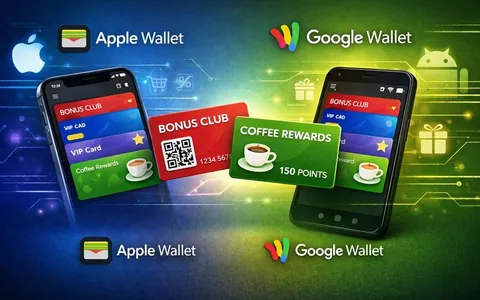
Digital cards for Apple Wallet and Google Wallet do the same job: give the customer a handy loyalty card on their phone

For a customer, Google Wallet is a handy place to keep cards and passes they need to show or use quickly.